Architecture · 9 min
The Roman Arch
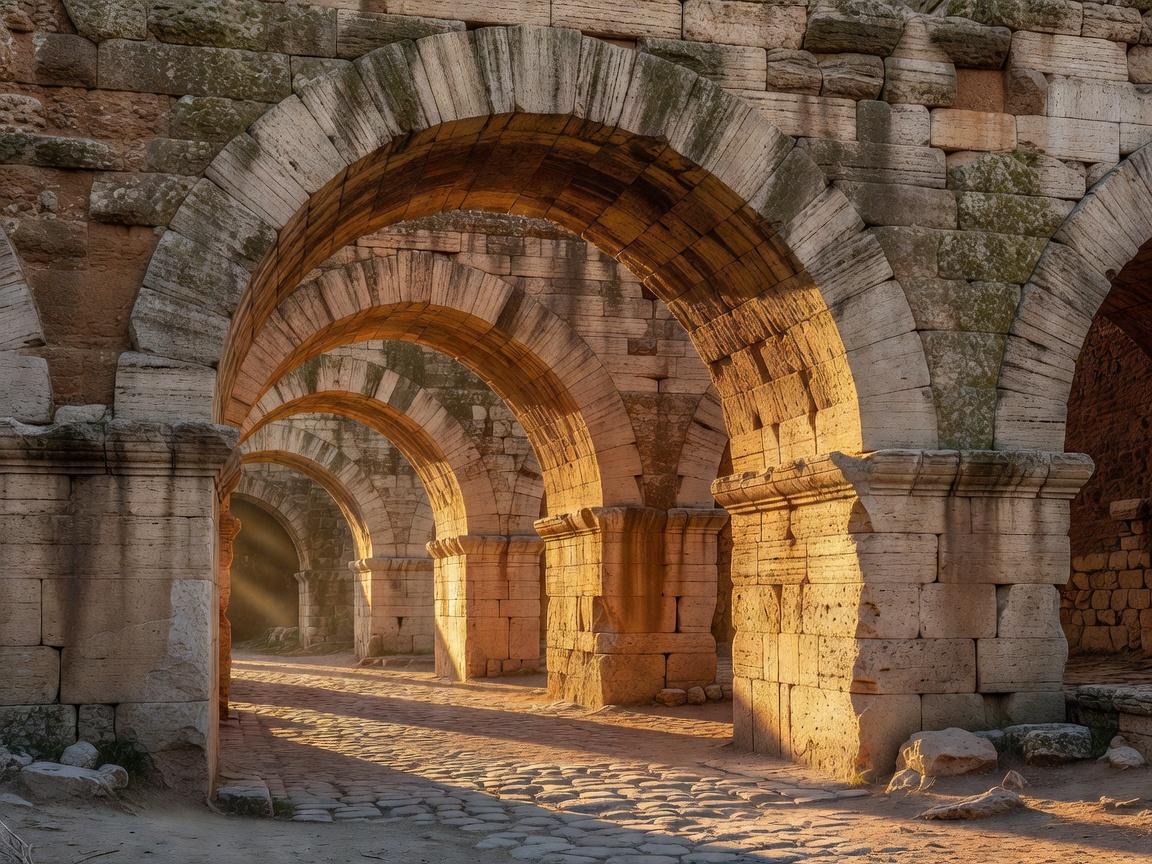
How a two-thousand-year-old structural solution became the grammar of Italian interiors.
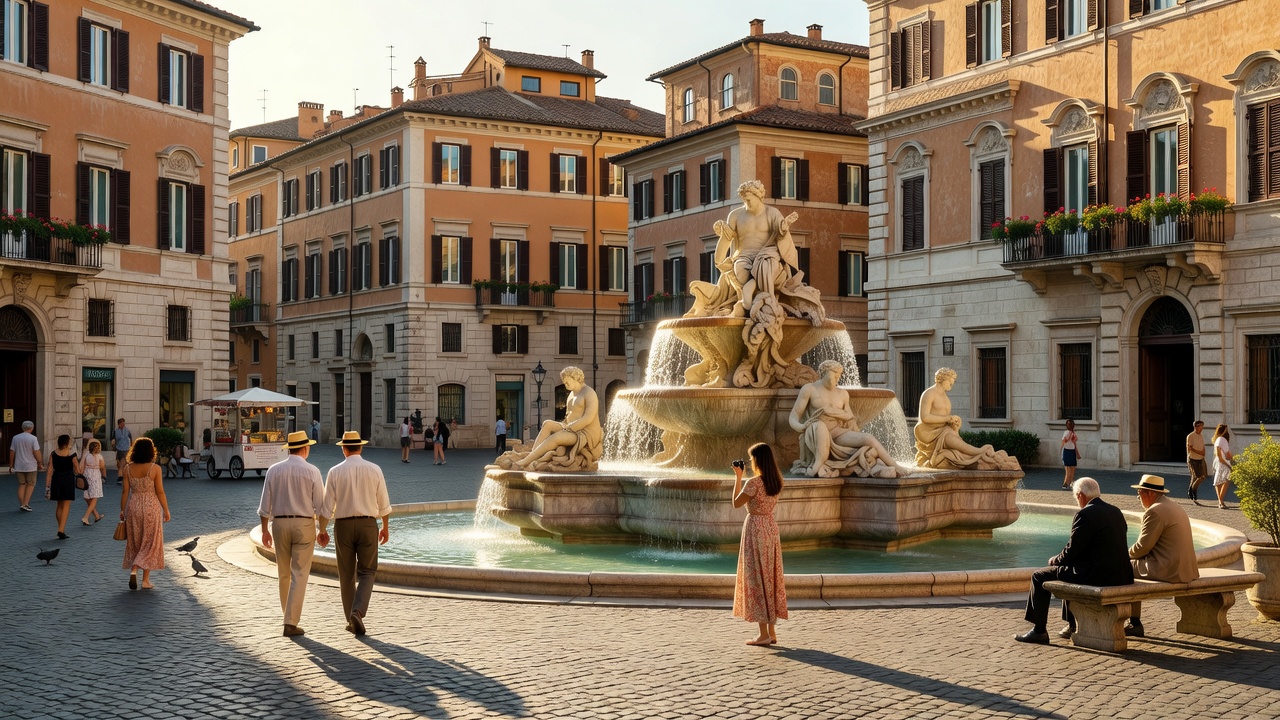
Choose the quarter before you choose the hotel. Six areas assessed on noise, walkability, evening atmosphere and how they behave in August.
Rome's historic centre is compact — you can cross it on foot in forty minutes — but it is not uniform. The difference between sleeping at the top of the Spanish Steps and sleeping beside the Colosseum is the difference between two entirely different holidays. This guide is about that difference.
Best for: first visits, short trips, walkers.
Noise: moderate to high until 01:00.
Hotel here: Six Senses Rome.
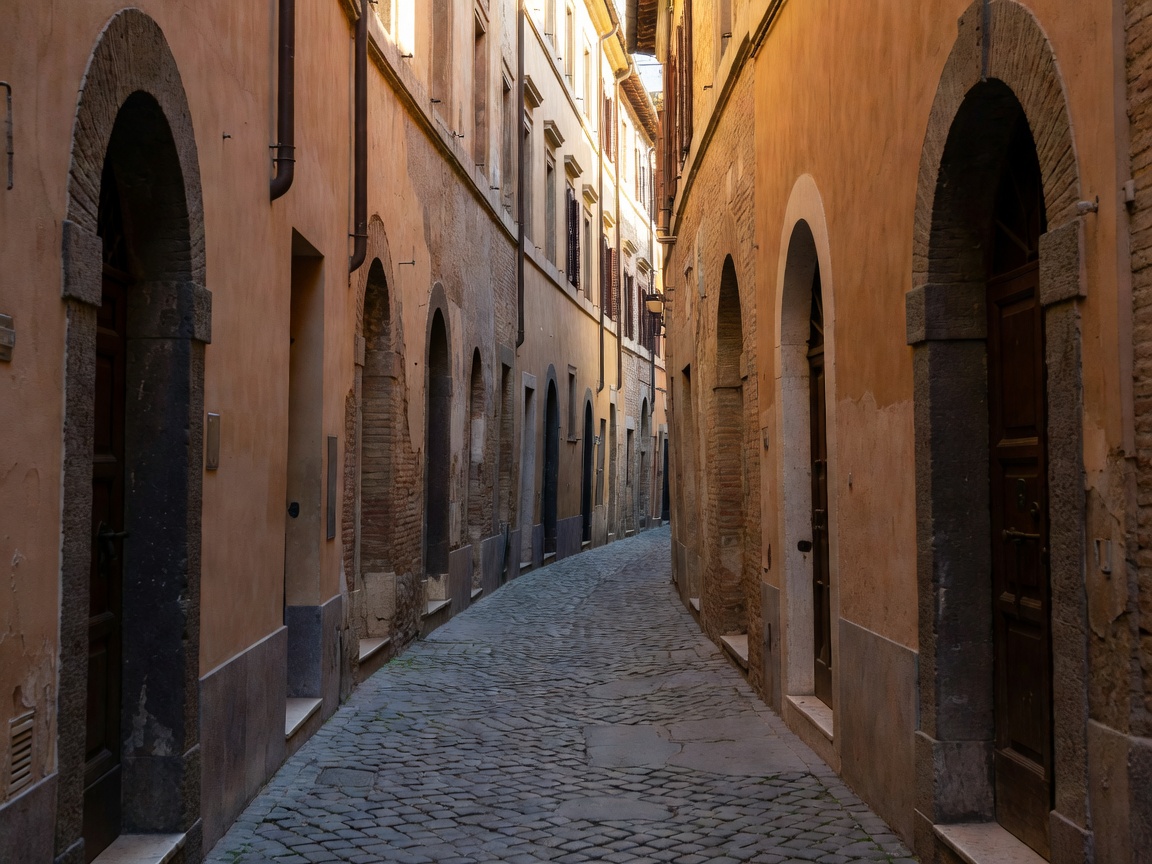
This is the dense tangle between the Tiber bend and Via del Corso, and it is where most visitors should stay on a first trip. The Pantheon, Piazza Navona, the Trevi Fountain, Largo di Torre Argentina and Campo de' Fiori are all within a fifteen-minute radius. Streets are narrow, largely pedestrianised, and full of restaurants of wildly varying quality.
The trade-off is noise and crowds. Rooms facing the street in this quarter will hear late-night conversation, early-morning delivery vans and the metallic rattle of shutters. Ask for a courtyard room, always.
Best for: repeat visitors, grand-hotel traditionalists, Villa Borghese walkers.
Noise: low.
Hotel here: Hotel Eden.
The Dolce Vita quarter, laid out in the late nineteenth century with wide pavements, plane trees and embassy-scale buildings. It is quieter, greener and more spacious than the centro storico, and Villa Borghese — Rome's great park, with the Galleria Borghese inside it — begins at the top of the hill.
The downside is distance. The Pantheon is an eighteen-minute walk; the Colosseum is thirty. Restaurants on Via Veneto itself are largely aimed at hotel guests and priced accordingly. Eat elsewhere.
Best for: shopping, galleries, arriving by train.
Noise: moderate.
Hotels here: Hotel de Russie and Hotel Hassler Roma.
The Tridente is the triangle formed by Via del Corso, Via di Ripetta and Via del Babuino, radiating from Piazza del Popolo down to Piazza Venezia. It contains Rome's luxury retail — Via dei Condotti — its best commercial galleries and antique dealers, and two metro stations on line A.
It is also the most convenient quarter for arrivals and departures: Flaminio and Spagna stations put Termini within twelve minutes, which matters if you are connecting to Florence or Naples by high-speed rail. Evenings are lively but not raucous; the crowds thin considerably after the shops close at 20:00.
Best for: dinner, bars, wandering.
Noise: high in the core, low three streets out.
Nearest hotel in this guide: Palazzo Manfredi, ten minutes' walk.
Rome's oldest rione, wedged between the Forum and Termini, and now the best place in the centre to eat and drink. Piazza della Madonna dei Monti fills with people on warm evenings; Via del Boschetto and Via Panisperna carry small restaurants, wine bars and independent shops.
There are no true grand hotels in Monti, which is precisely why it works as a dinner destination for guests staying elsewhere. From Palazzo Manfredi it is a flat ten-minute walk; from the Hassler, fifteen minutes and a metro stop.
Best for: ancient Rome, early starts at the archaeological sites.
Noise: traffic rather than nightlife.
Hotel here: Palazzo Manfredi.
Staying beside the Colosseum has one overwhelming advantage: you can be at the gate at 08:30 before the tour groups, and be back at the hotel by 11:00 when the heat and the queues arrive. The Roman Forum, Palatine Hill, Domus Aurea and San Clemente are all within ten minutes.
The disadvantage is that this is not a residential evening quarter. Via Labicana and Via di San Giovanni in Laterano are real roads with real traffic, and after dark the immediate area is quiet in a way that means walking to Monti for dinner.
Best for: atmosphere (Trastevere) and value with calm (Prati).
Noise: very high (Trastevere), low (Prati).
Hotels in this guide: none.
We include these for completeness. Trastevere, across the river, is the most atmospheric quarter in Rome and the loudest — cobbled lanes, ivy, trattorias, and student nightlife that runs until 03:00 on Friday and Saturday. It is wonderful to visit and difficult to sleep in.
Prati, north of the Vatican, is the opposite: orderly, early-twentieth-century, full of good food shops and residents, with Via Cola di Rienzo for shopping. It is calm, well-connected by metro line A, and excellent value — but it is not where the grand hotels are.
| Quarter | Night noise | Walk to Pantheon | Dinner density | Metro | Hotel |
|---|---|---|---|---|---|
| Centro storico | High | 0–8 min | Very high | Limited | Six Senses Rome |
| Via Veneto / Ludovisi | Low | 18 min | Low | Barberini (A) | Hotel Eden |
| Piazza del Popolo | Moderate | 14 min | Moderate | Flaminio (A) | Hotel de Russie |
| Spanish Steps | Moderate | 13 min | Moderate | Spagna (A) | Hassler Roma |
| Monti | High in core | 18 min | Very high | Cavour (B) | — |
| Colosseo | Traffic only | 20 min | Low | Colosseo (B) | Palazzo Manfredi |
Send us the dates, the party and roughly what you want from the trip — ruins, food, shopping, quiet — and we will tell you which of the five hotels to book and which room category to request. No fee, no commission, no onward booking.
Ask the concierge deskDesign history and where to eat once you have chosen.
How a two-thousand-year-old structural solution became the grammar of Italian interiors.
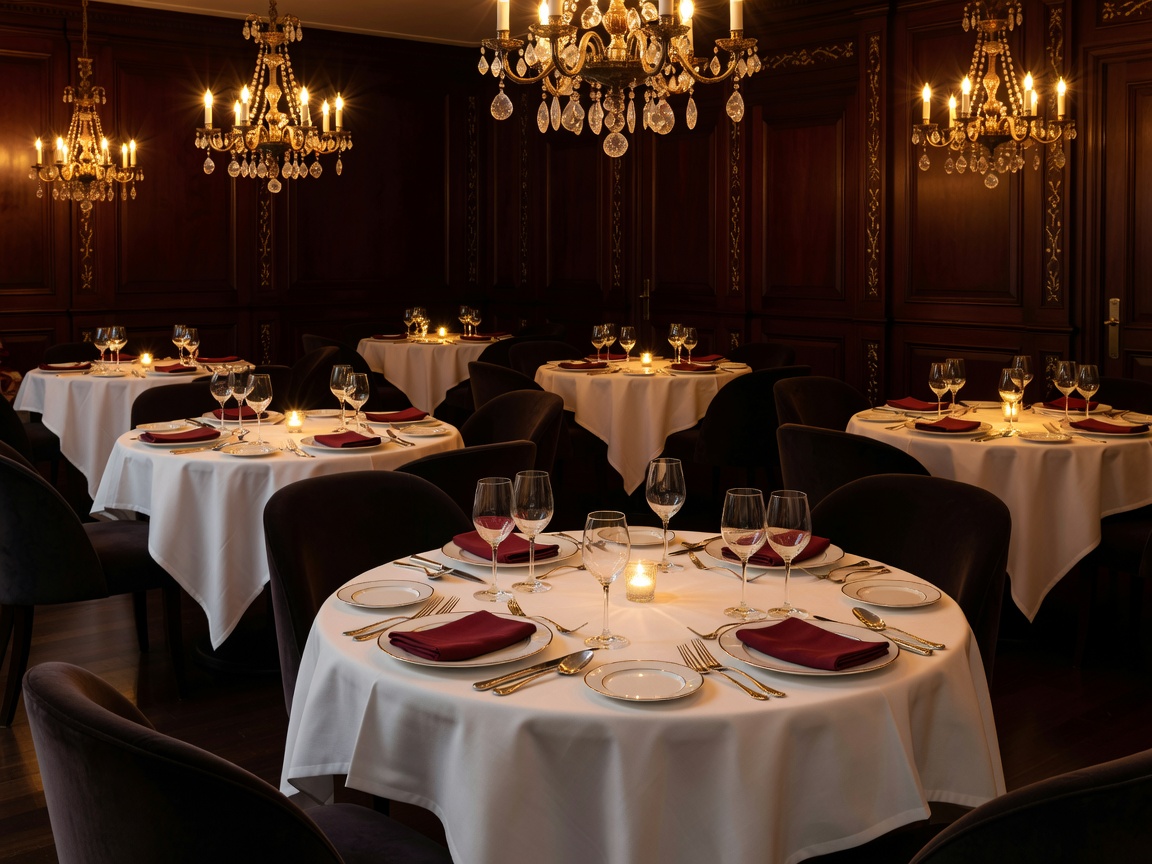
Four rooftops, three Michelin stars, and the exact hour you should book your table for.